
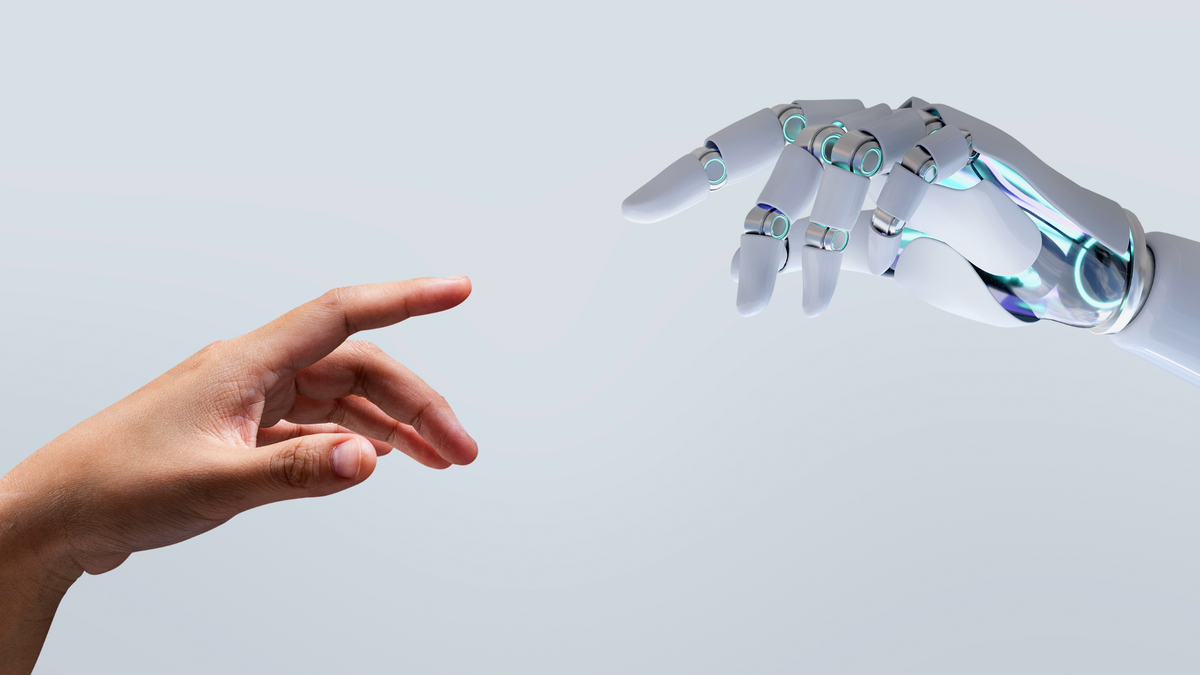
We are living through one of the most significant technological shifts in modern history.
Artificial intelligence can now write emails, summarize meetings, generate presentations, analyze data, create images, and even help write computer code. Every month, new tools appear promising to save time and increase productivity.
It is natural to wonder: If AI can do so much, what skills will remain valuable?
The answer may surprise us.
The skills that are becoming increasingly important are often the ones we overlook—communication, emotional intelligence, adaptability, critical thinking, and the ability to build trust with others.
In other words, soft skills may become some of the most valuable skills of the next decade.
The Rise of AI Changes the Rules
Historically, technical knowledge provided a strong competitive advantage. If you knew how to use complex software, analyze spreadsheets, or perform specialized tasks, you could distinguish yourself in the workplace.
Today, many of these capabilities are becoming more accessible.
AI tools can assist with technical tasks in seconds. They can draft reports, organize information, and provide recommendations faster than ever before.
However, AI still struggles with uniquely human qualities.
It cannot genuinely empathize with a frustrated colleague.
It cannot build deep relationships with clients.
It cannot fully understand the emotional undercurrents in a difficult conversation.
And it cannot replace the sense of safety and trust that comes from feeling truly heard by another person.
As routine tasks become increasingly automated, human-centered skills may become even more valuable.
Communication Is a Career Multiplier
Many professionals assume that expertise alone leads to career growth.
Yet some of the most successful people in organizations are not necessarily the most technically gifted.
They are often individuals who can:
- Explain complex ideas simply.
- Facilitate productive meetings.
- Handle disagreements respectfully.
- Ask thoughtful questions.
- Give and receive feedback effectively.
- Present ideas with confidence.
Strong communicators make collaboration easier.
They reduce misunderstandings.
They help teams align around shared goals.
In many cases, communication skills amplify the impact of every other skill a person possesses.
Emotional Intelligence Creates Better Relationships
Emotional intelligence refers to the ability to understand and manage our own emotions while also recognizing and responding effectively to the emotions of others.
People with high emotional intelligence often:
- Remain calm under pressure.
- Navigate conflict constructively.
- Build stronger professional relationships.
- Adapt more easily to change.
- Inspire trust and psychological safety.
Technical expertise may open doors.
But emotional intelligence often determines whether those doors stay open.
People generally enjoy working with individuals who make them feel respected, understood, and valued.
Adaptability Is Becoming Essential
The future of work is unlikely to remain stable for long periods.
Industries evolve.
Technology advances.
Job descriptions shift.
People who thrive in uncertain environments tend to possess a growth-oriented mindset.
Rather than asking:
"What if I become obsolete?"
They ask:
"What can I learn next?"
Adaptability allows us to remain curious rather than fearful.
It transforms change from a threat into an opportunity for development.
How to Develop Soft Skills
Fortunately, soft skills are not fixed traits.
They can be practiced intentionally.
Here are a few simple ways to improve:
Practice active listening.
Focus entirely on understanding another person before preparing your response.
Seek feedback regularly.
Ask trusted colleagues or friends what communication habits you could improve.
Become comfortable with discomfort.
Difficult conversations often strengthen relationships when approached respectfully.
Read widely.
Books on psychology, leadership, and communication expose us to new perspectives.
Reflect often.
At the end of each day, ask yourself:
How did I show up today?
Did I listen well?
Did I communicate clearly?
Small adjustments repeated consistently can lead to significant growth over time.
Final Thoughts
Artificial intelligence will undoubtedly reshape many aspects of our professional lives.
But perhaps the greatest opportunity lies not in competing with machines, but in strengthening the qualities that make us deeply human.
Technology may continue to become smarter.
Yet empathy, presence, wisdom, and meaningful connection remain difficult to automate.
The future may belong not only to those who can use AI effectively, but also to those who can communicate clearly, lead compassionately, and build relationships that technology simply cannot replicate.
And perhaps that is encouraging news.
In an increasingly automated world, being human may become one of our greatest advantages.